How Municipal Water Quality Affects Refrigerator Ice Makers in Topeka
An in-depth look at local mineral concentrations, inlet valves, and why changing your filter on time matters.
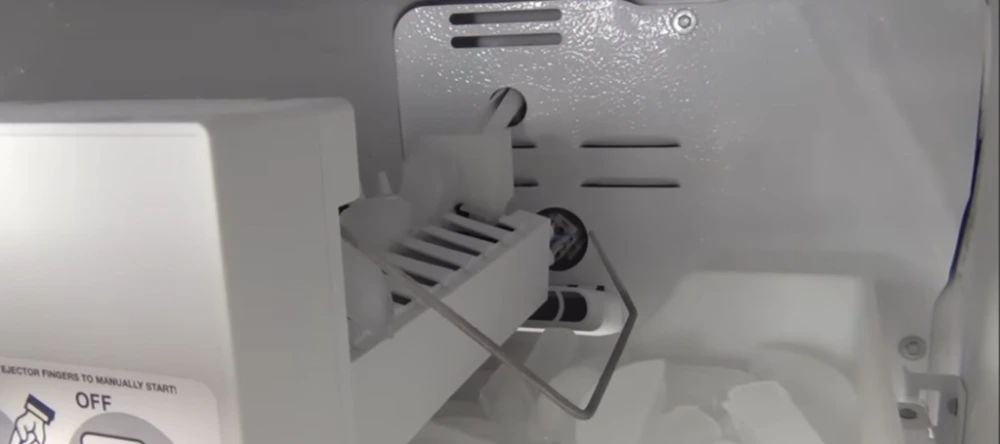
Topeka draws its municipal water from the Kansas River. That is confirmed in the city’s own annual water quality reports published at topeka.gov. According to utility-reported data compiled by TapWaterData.com, Topeka’s water hardness measures at approximately 144.8 mg/L — which falls into the hard water classification.
Mineral Accumulation Over Time
Hard water carries higher concentrations of calcium and magnesium minerals. Over months and years, those minerals can build up inside refrigerator water lines, water inlet valves, and ice maker components. The result is an ice maker that slows down, produces smaller ice, or stops working entirely.
What To Check Before Scheduling Service
If your ice maker has been getting slower and you cannot remember the last time you changed the water filter, mention that when you call. It tells us where to look first and can save you money on the repair.
This does not mean every ice maker problem in Topeka traces back to water hardness — other causes exist and a proper diagnosis is always needed. But it is a real factor for Topeka homeowners that most repair guides do not talk about.
Verified Data Sources
Ice Maker Malfunctioning in Topeka?
Call our team to schedule an on-site diagnosis. We service all major refrigerator brands across Topeka.
Hours: Monday through Saturday, 8 AM to 6 PM.